
Business and Management: Online
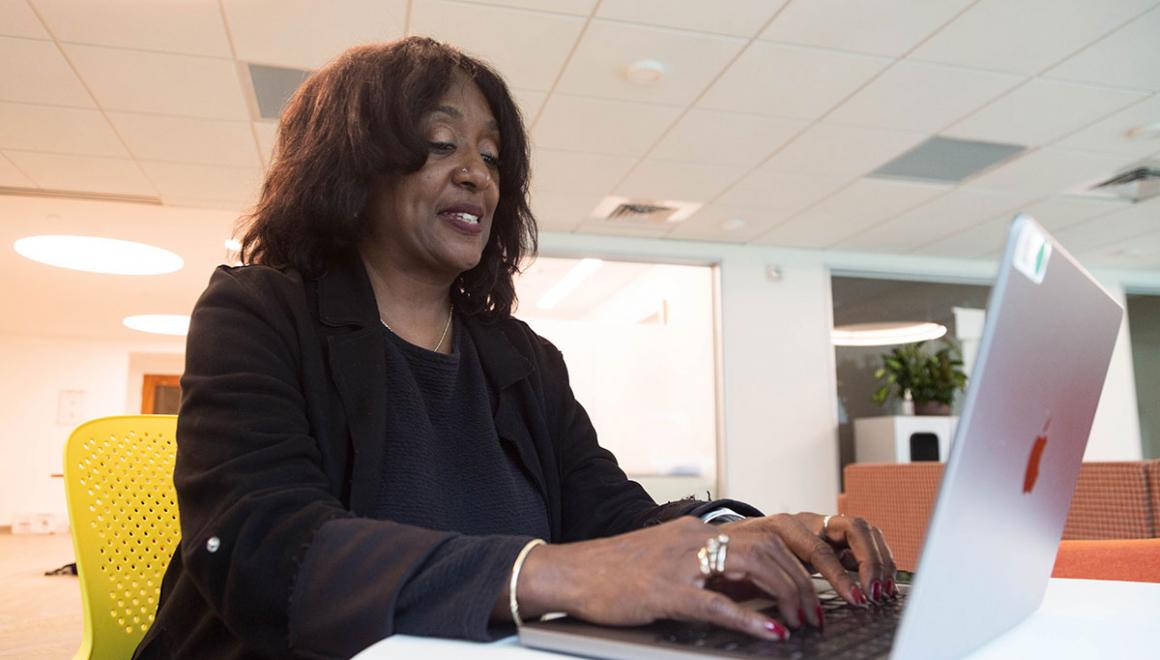
An online bachelor's degree completion program
Approach business challenges with a flexible, creative entrepreneurial mindset. In our online Business and Management bachelor’s degree program, you'll develop ethical and effective leadership and innovative vision to succeed in business.
In live, face-to-face online classes, expert faculty will share insights about how to market to customers, plan and allocate financial resources, manage projects, negotiate, and lead organizations in today’s constantly evolving business landscape.
Learn more about Simmons’ women-centered Online Degree Completion Program.
What will you learn in the online Business and Management program?
In Simmons University's online Business and Management program, you will develop a firm foundational understanding of finance, marketing, management, and leadership. Our expert faculty will help you gain the vital knowledge and skills you need to succeed as a business leader in whatever field you choose — from healthcare and biotech to nonprofit organizations and social justice advocacy.
The curriculum is designed to help you gain a deeper understanding of managerial roles, activities, and functions of organizations. In core and elective courses, you will learn how to apply your leadership skills and business knowledge to advance your career and make an impact in your industry.
What Our Students Say
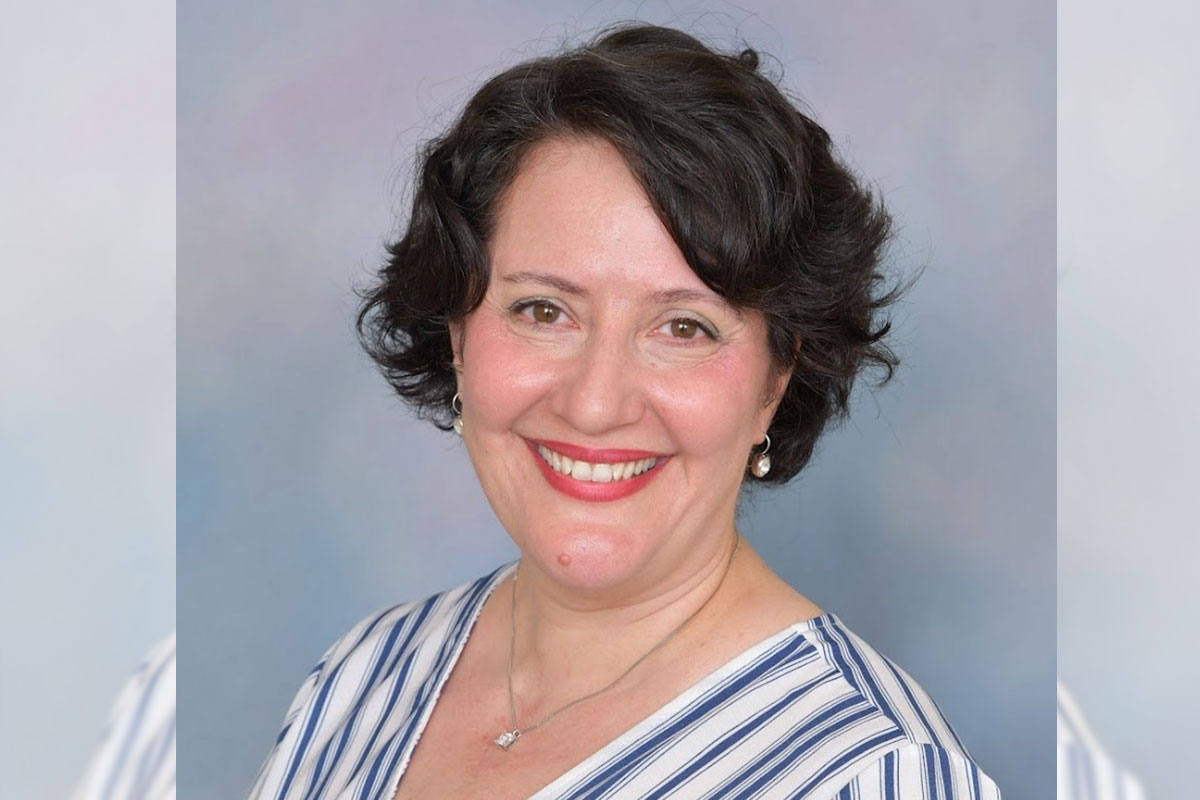

As an online student, I learned that you truly get out of the experience what you put into it. I really enjoyed having online courses with an actual instructor and other students, where we could actively share ideas and enhance the classwork together.
- Christina Rahhal ’26
Spotlight on Business and Management Online Students and Alums

Building Confidence to Lead in Online Degree Program
Simmons’ online degree completion program gave Rashida Alisha Hagakore ‘24 more than a degree in business — it transformed her career trajectory. Gaining confidence, leadership skills, and a new professional identity, she advanced into a supervisory role and now approaches her work with clarity, strategy, and purpose.
Honing Strategy and Leadership in the Classroom and Beyond
Christina Rahhal ’26 is a business and management major in the Simmons Online Degree Completion Program. She reflects on some of her favorite courses, and how her experience translated into career advancement and personal growth.
Celebrating Online Degree Completion Graduates, Class of 2025
Felipa Arevalo and Christina Orfanos are among the 2025 graduates in the Simmons Online Degree Completion Program for adult learners. We spoke to a few graduates about what the program meant to them.

Simmons Students Support Local Women Experiencing Homelessness
This fall, Simmons students from the Social Action Leaders course are channeling their academic studies into advocacy. We spoke with students Felipa Arevalo '25, Lisa deRosier ’24, and Rashida Alisa Hagakore ’24 about their passion for experiential service learning and their conception of good leadership.