
Library and Information Science PhD
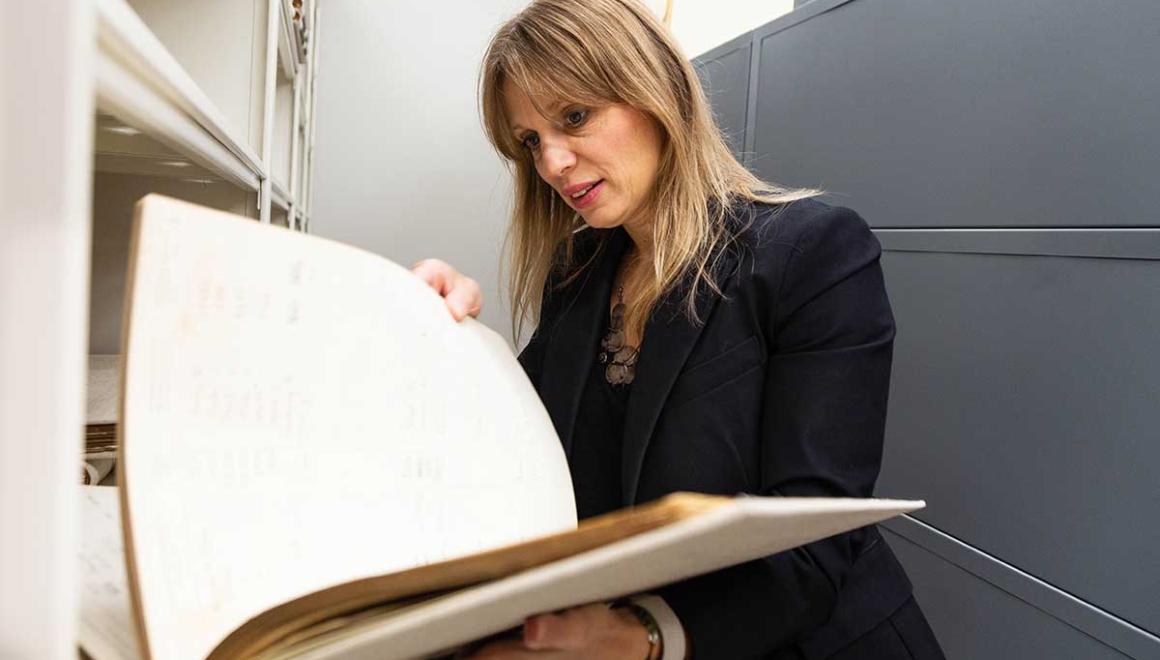
Lead the future of information
Simmons University’s PhD in Library and Information Science prepares scholars, educators, and leaders to advance knowledge in a complex, ever-changing information landscape.
Through rigorous study and research, you’ll explore how individuals and communities seek, use, and create information. Along the way, you’ll develop expertise in technologies and research methods that support the discovery, evaluation, organization, management, and preservation of human knowledge.

Our doctoral program is flexible and robust with cohesive and collaborative students. Your personalized experience is elevated by the resources and opportunities of Simmons’ nationally recognized School of Library and Information Science. Grounded in scholarship, teaching, and service, the program prepares you for careers in research and academic leadership.
PhD Program Highlights
- Complete your degree online, at our Boston campus, or a combination of both. Core courses are offered synchronously online, with electives available online or in person.
- Work alongside faculty members and doctoral students through analytical papers, research, teaching and service activities, and self-reflective essays.
- Graduate with a robust portfolio of publications, presentations, teaching experience, and professional accomplishments.
- Join a distinguished alumnae/i community and a school recognized for leadership and innovation within the field.
Why earn your PhD in Library and Information Science at Simmons?
For more than a century, Simmons' School of Library and Information Science has produced leaders who shape the field in professional service at local, national, and international levels.
As a doctoral student, you’ll benefit from meaningful collaboration with faculty, doctoral peers, and master's students, creating opportunities for learning, research partnerships, and professional growth. You’ll be supported from admission through dissertation.
Doctoral Areas of Study
Doctoral studies can be conducted on a variety of topics. Areas of study include:
- Archives and preservation
- Digital cultural heritage
- Information organization (including cataloging, classification, and metadata)
- Reference and information services
- Management and leadership
- Youth services
- Information literacy
- Information behavior
- Information systems
- Library technology
- Librarianship in academic, public, and school settings
Spotlight on Library and Information Science PhD Students and Alums
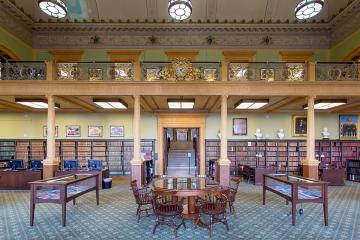
What Can You Do with a PhD in Library Science?
With a doctoral degree, you can explore careers in teaching, research, and leadership in libraries and other information organizations. These roles are not limited to public libraries; they also include technology, information management, policy work, and more.
Examining Critical Roles of School Librarians
Kimberly R. Lavoie PhD’26 reflects on the most impactful part of her doctoral journey: conducting dissertation research, examining how school librarians understand and enact their roles in post-pandemic K–12 education.

Reframing Libraries as Dynamic ‘Learning Labs’
Zachary Newell ’26PhD shares a bit about his research involving how we can make library learning more creative and engaging for students, as well as the mentorship he received while a student at Simmons.
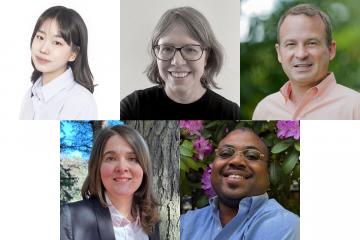
2025–26 Graduate Student Research Award Recipients
The Office of Research and Fellowships has announced the recipients of the 2025–2026 Graduate Student Research Award. This competitive, cross-disciplinary award provides up to $1,500 to five doctoral and master’s degree candidates to conduct research in the fields of mental health, social work, children’s literature, and archival preservation.

SLIS Professor Named Outstanding Information Science Teacher
School of Library and Information Science (SLIS) Professor and Library and Information Science PhD Program Director Kyong Eun Oh has been named the 2025 winner of the Association for Information Science and Technology (ASIS&T) Outstanding Information Science Teacher Award.

SLIS Alumnae/i Selected as Library Journal Movers and Shakers
Mallory (Walker) Wareham ’20MS and Jason Homer ’11MS, ’26PhD were named Movers & Shakers 2025 by Library Journal.

Cambridge Director of Libraries Fosters Learning and Community
Maria McCauley ’17PhD says some of her fondest childhood memories are of visiting her local public library. This lifelong passion for knowledge is part of the reason she decided to pursue library and information science as a second career.
Library and Information Science Doctoral Student Named New Director of Truro Public Library
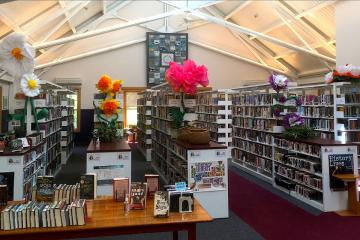
The Provincetown Independent reported that Chris Kaufmann ’20MS, ’25PhD, a current student at Simmons’ School of Library and Information Science (SLIS), will be the new Director of the Truro Public Library.
Our Faculty

Naresh Agarwal
Professor, Director of Information Science & Tech Concentration, and Interim Associate Dean of SLIS
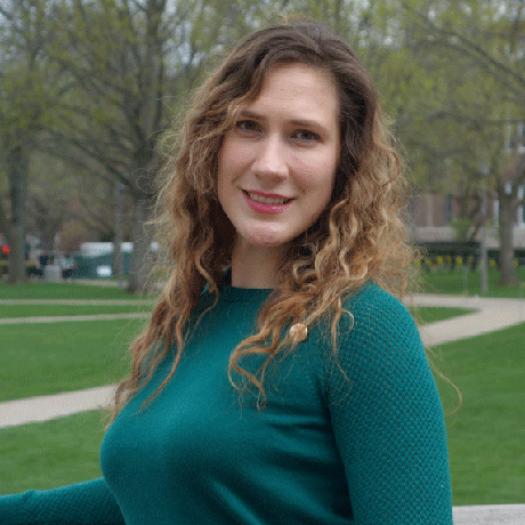
Rhiannon Bettivia
Associate Professor

Peter Botticelli
Associate Professor and Director, Cultural Heritage Informatics Concentration
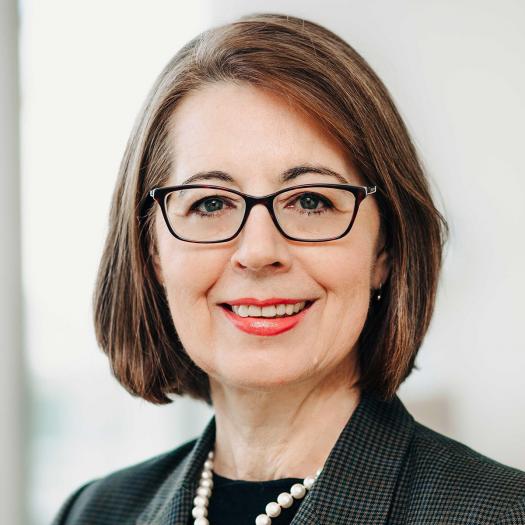
Sanda Erdelez
Dean, School of Library and Information Science
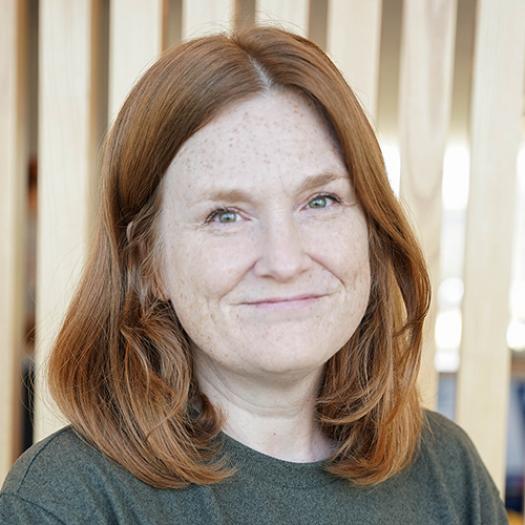
Heather Hole
Professor, disciplines of Museum Studies and Art History
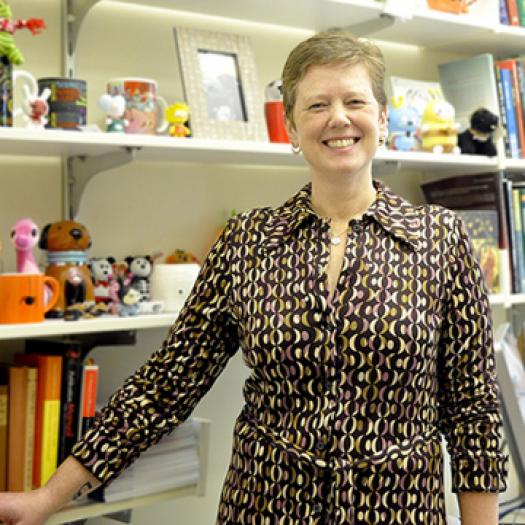
Lisa Hussey
Professor, Director of Self-directed Concentration, and Interim Associate Dean of SLIS

Daniel Joudrey
Professor and Director of Libraries and Librarianship Concentration
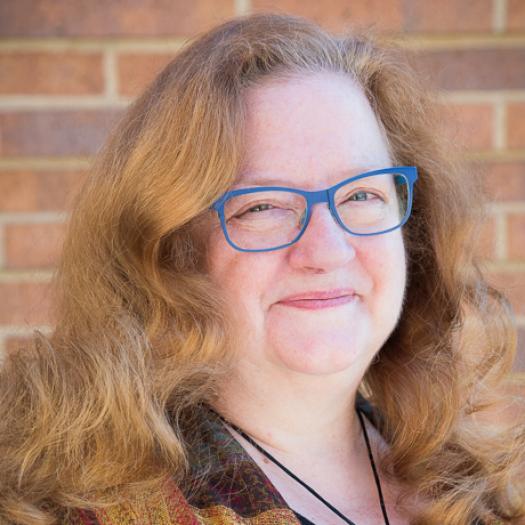
Melanie Kimball
Associate Professor and Director, School Library Teacher Concentration
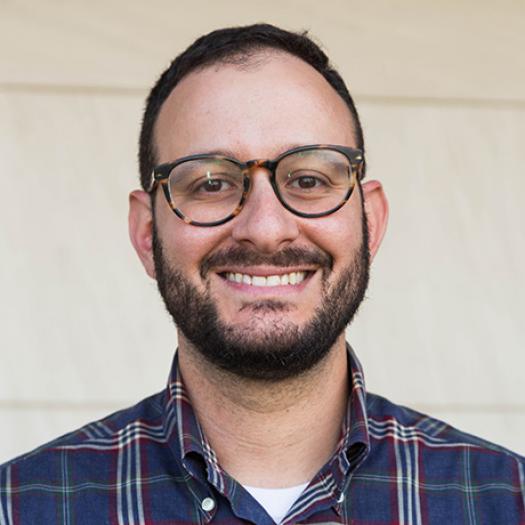
Adam Kriesberg
Associate Professor and Co-Director of Dual Degree MS LIS-Archives and MA History Program

Kyong Eun Oh
Professor and Director of the PhD Program
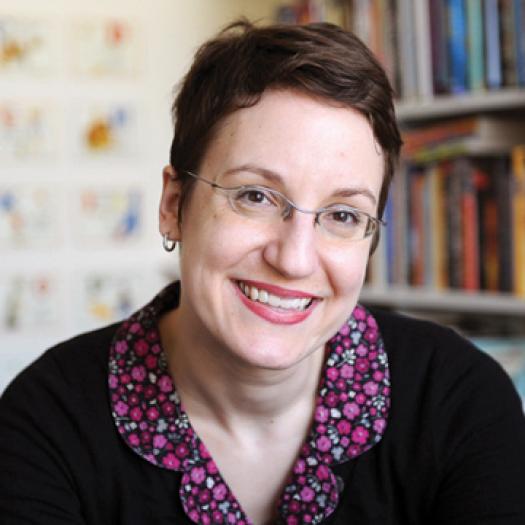
Amy Pattee
Professor and Co-director of the MS LIS/MA Children’s Literature program
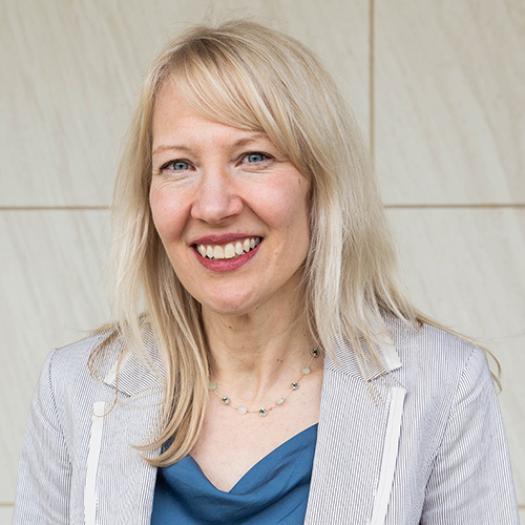
Laura Saunders
Professor

Don Simmons
Assistant Professor
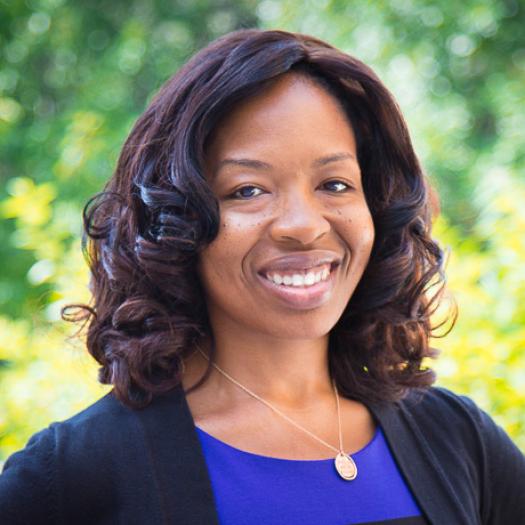
Rebecca Stallworth
Associate Professor
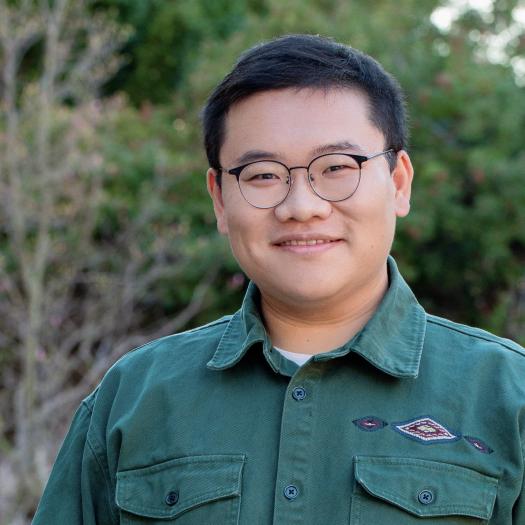
Jiarui Sun
Assistant Professor
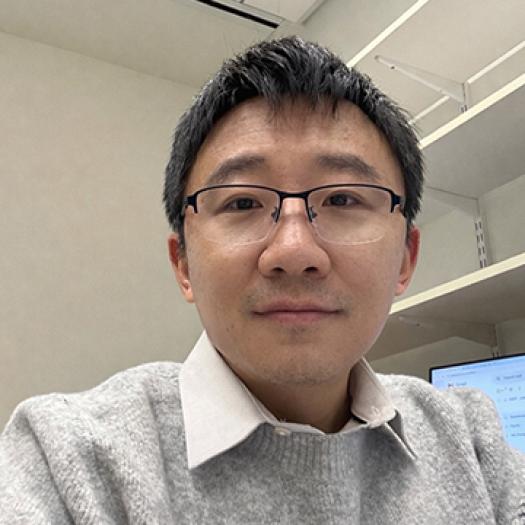
Shengang Wang
Assistant Professor
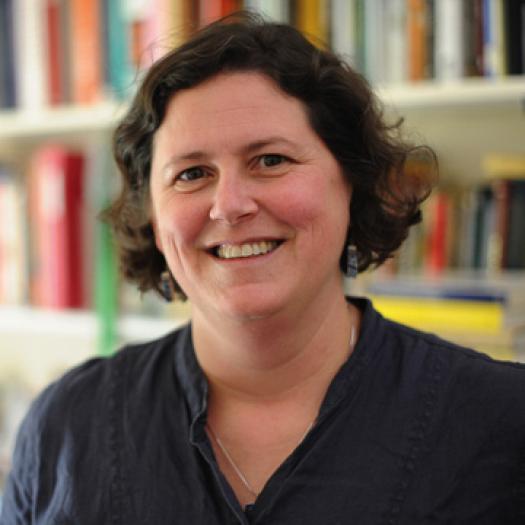
Katherine Wisser
Associate Professor and Masters Program Director, Director of the Archives Concentration, and Director of Archives Certificate Program
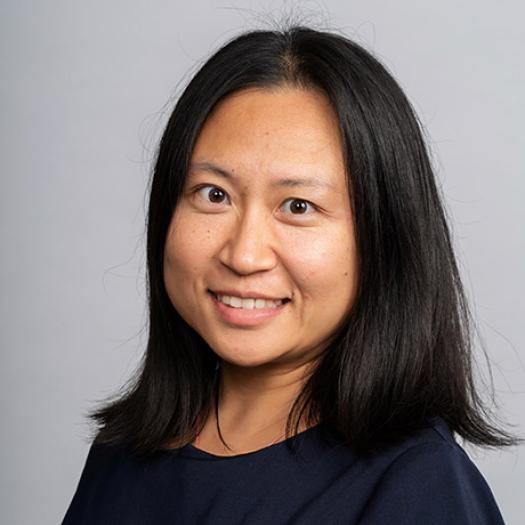
Mei Zhang
Assistant Professor