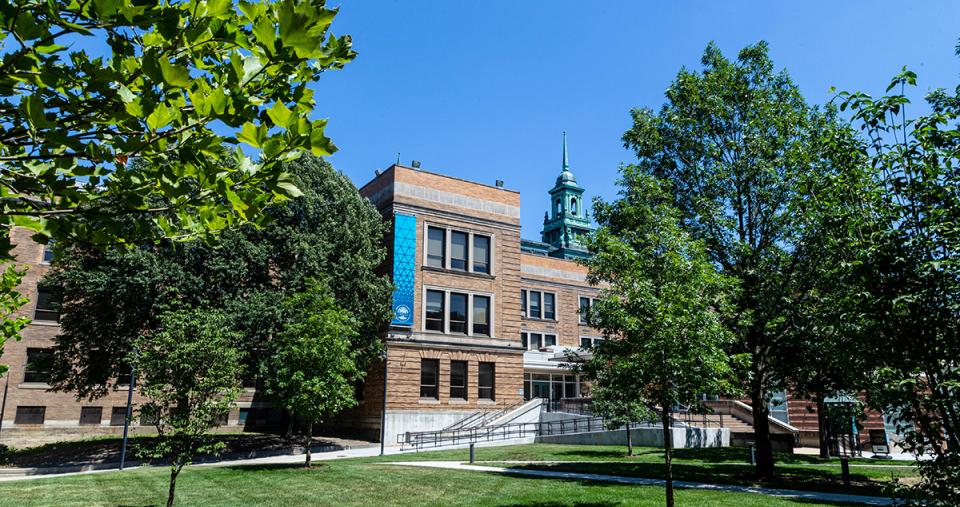
The Simmons University Master of Public Health program invites you to this public lecture offered in the context of its Boston Immersion course, Racism, Oppression, and Health. During the immersive course experience, students analyze racism and the intersectional systems of oppression and marginalization that shape health, with the long history, rich culture, and urban landscape of Boston as a backdrop.
Join us in person or online! This hybrid event will trace the economic and structural forces that drive migration and shape the health of migrant communities. It will draw the line from historical labor extraction in rural Mexico to the federal eligibility databases of today.
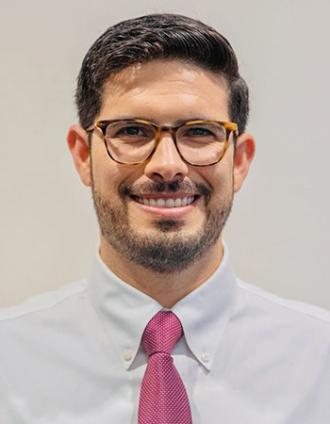
Dr. Héctor Carrasco, MD, MPH, DrPH, is a physician, researcher, and public health leader dedicated to advancing health equity and structural reform in public health systems. He currently serves as Director of Quality Improvement with the Tennessee Department of Health, where his work focuses on shifting institutional practices to directly address the social and economic determinants of health.
The Bracero Program was established in 1942 between the US and Mexico in response to agriculture shortages during World War II. Lasting until 1964, the program allowed Mexican workers to be employed in the U.S. agriculture and railroad industries. During this lecture, Dr. Carrasco will trace an economic arrangement from his own grandfather's bracero contract through today's federal eligibility databases. Drawing the throughline from the coffee fields of Chiapas, through the crossing, and to the construction sites of Tennessee, Dr. Carrasco argues that migrant ill-health is not a failure of the system but a feature of it. He asks: What do our own everyday prices have to do with it?