Ask Simmons

What Is a Behavior Analyst?

A young woman holding a pen while speaking to a teenage girl

Behavior analysts are professionals who apply the science of learning and behavior to change behavior, teach skills, and improve outcomes. By assessing the environment, they identify factors that influence behavior. They then develop interventions to change behavior to reach goals, learn new skills, and increase quality of life.

To practice as a behavior analyst, you must earn a master's degree and meet the clinical credentials and regulatory requirements to practice in your area of expertise. You can choose from a variety of career paths. You may work with people, animals, organizations, or communities, and conduct research or provide clinical services. In applied settings, you often oversee caseloads and supervise and train clinical staff.

Where Do Behavior Analysts Work?

Behavior analysts work in a wide range of clinical, educational, and research practice areas:

  • Education: Many work with neurodiverse children, including those with intellectual or developmental disabilities, autism spectrum disorder, acquired brain injury, and ADHD. 
  • Research and Academia: Some behavior analysts contribute to the literature and advance science by conducting and publishing research that advances the field as a whole.

Other areas include behavioral gerontology; animal training; organizational behavior management; staff training; public health and clinical services; and health, sports, and fitness. They work closely with them to improve communication, social, academic, and daily living skills.

Some behavior analysts pursue advanced degrees, such as a PhD. These advanced credentials open opportunities for teaching, research, and leadership roles in the field. To explore the full breadth of the field, you can browse the Special Interest Groups through the Association for Behavior Analysis International (ABAI).


Behavior Analysis Graduate Degree Programs at Simmons University

Simmons University offers one of the few applied behavior analysis programs worldwide accredited by the Association for Behavior Analysis International Accreditation Board. This distinction reflects the highest standards of academic and clinical preparation in the field. 

We offer two pathways to earn your Master of Science in Behavior Analysis:

  • On-campus: Benefit from Boston's strong regional job market, a local network of ABA providers and clinical partners, and access to the behavior analysis research lab.
  • Online: Earn the same fully accredited MS in Behavior Analysis with the flexibility to learn from anywhere.

Through a rigorous curriculum and instruction from expert faculty, you’ll prepare for research and clinical roles. We offer exceptional preparation for the BCBA® exam.

If you’re interested in taking your education further, Simmons also offers an online PhD in Behavior Analysis. This program focuses on developing skills required to design, conduct, and interpret experimental research.

What Simmons students say about the Behavior Analysis program


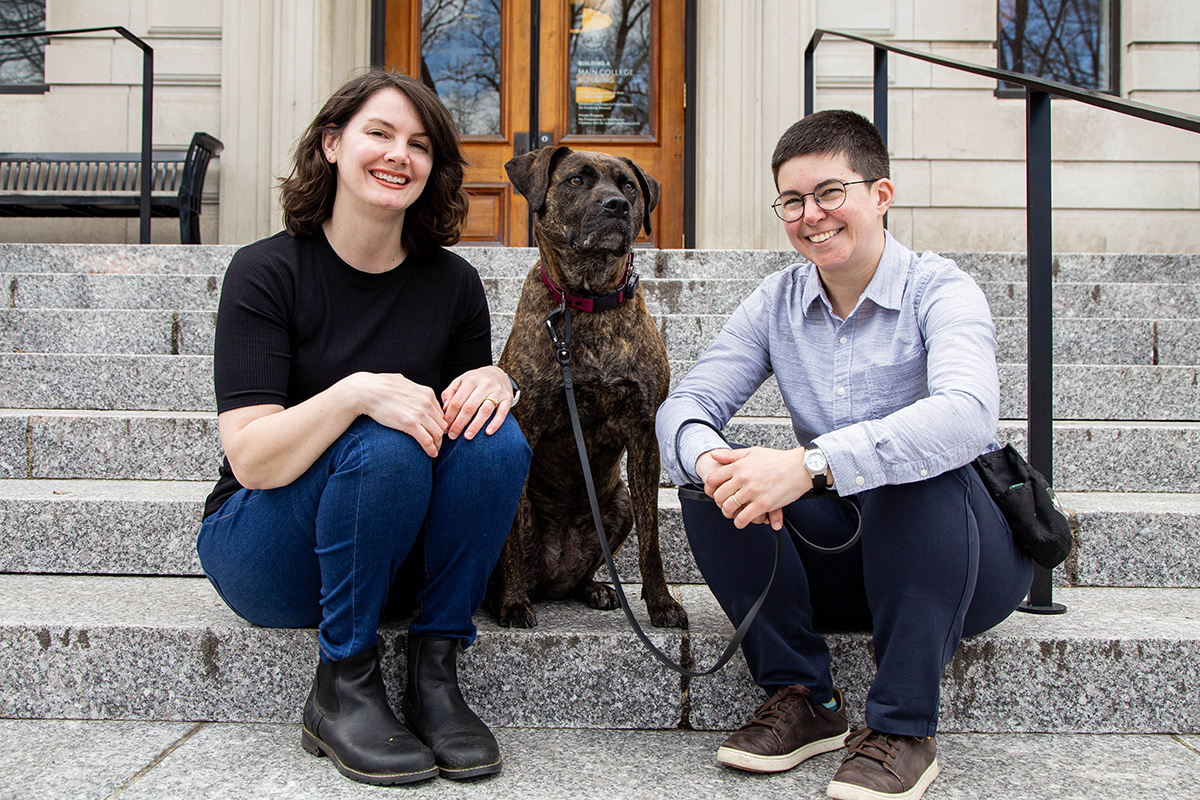
Dr. Stephanie Keesey-Phelan '13MS, '20PhD, the dog Beacon, and Ran Courant-Morgan '13MS enjoy a spring day at Simmons

I do not think we would be doing what we are doing today if it had not been for the Behavior Analysis program at Simmons.

- Dr. Stephanie Keesey-Phelan ’13MS, ’20PhD and Ran Courant-Morgan ’13MS

Meet Stephanie and Ran
Megan Breault ’13MS ’25PhD

During my master’s program, I felt that Simmons held a high expectation of students, while the faculty were supportive in helping you meet the standards and goals. I wanted to continue learning in a program that had such a great reputation, especially being local in the Boston area.

- Megan Breault ’13MS ’25PhD

Meet Megan
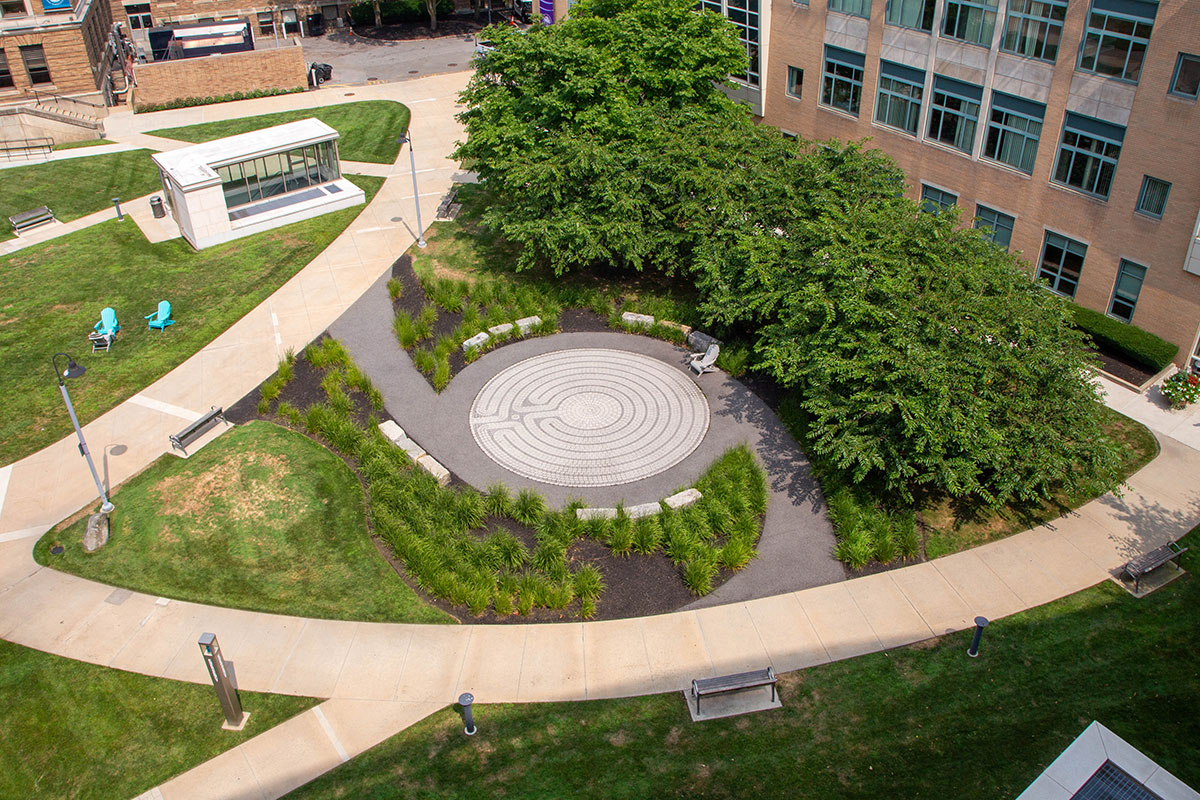
An aerial view of sidewalks on the Simmons University campus

I came back for the PhD in behavior analysis because Simmons is amazing. The professors are particularly special.

- Amy Maladore ’16MS ’25PhD

Publish Date

Author

Laura Pedulli