
Master of Social Work
Clinical focus, real-world preparation
Simmons University's nationally-recognized Master of Social Work (MSW) transforms passionate advocates into expert clinicians grounded in a social justice framework.
Social workers are the leading providers of behavioral healthcare in the US. With an MSW degree in social work, you'll qualify for in-demand roles in private practice, nonprofit agencies, government, policy centers, and other settings.
Why earn a master's degree in Social Work at Simmons?
Simmons University is the first program in the country, and remains one of the few US institutions, dedicated exclusively to clinical social work education. Here, you’ll benefit from:
- The gold standard of training: Gain real-world experience in the classroom. We use simulation-based education with trained actors and immersive scenarios, the most advanced preparation method in the industry.
- Nationwide practicum network: Wherever you live, our placement team matches you with robust, local social work practicum opportunities.
- Scholar-practitioner faculty: Our faculty are nationally-recognized leaders in social work practice, research, and education. They bring their diverse experiences into the curriculum and classroom.
- Proven results: Our graduates consistently outperform state and national averages on the ASWB licensing exams.
One MSW. Flexible pathways.
Simmons offers versatile learning options for a range of schedules and goals. You can also pair your MSW with certificates that correspond with your interests and the communities you hope to serve.
Choose the format that works for you:
- On-Campus (Boston) program option: Immerse yourself in a global hub for healthcare and behavioral health.
- Online MSW program option: Experience live, synchronous classrooms, asynchronous content, and in-person practicum placements in your community.
Choose the pace that fits your learning:
- Full-time (on-campus and online program options): Complete your degree in 2 years (on-campus) or 6 terms (online).
- Extended (on-campus and online program options): Complete your degree in 3 years (on-campus) or 8 terms (online).
- Accelerated (on-campus and online program options): Earn your degree in 16 months (on-campus) or 4 terms (online).
- Advanced Standing MSW (on-campus and online program options): Fast-track your MSW if you already hold a BSW.
Choose to specialize and graduate with one of our leading-edge certificates (view the descriptions):
- Clinical Practice with Active Service Members, Veterans, and Families
- Healthcare and Social Work
- Mental Health Practice
- Public Policy Certificate
- School Social Worker Licensure
- Trauma Practice
What can you do with an MSW?
An MSW qualifies you for unlimited roles and opportunities. You can work as a licensed therapist in outpatient mental health clinics, inpatient hospitals, and private practice. You can also serve as an administrator, leading an agency, developing programs, and supervising staff. You can lead at the systems level, serving in public office, influencing policy, and advancing change that strengthens communities.
You also will be eligible to become a Licensed Clinical Social Worker (LCSW) or a Licensed Independent Clinical Social Worker (LICSW).
The Bureau of Labor Statistics projects that social work employment will grow by 6% through 2034. Here is a mere sample of the types of programs where our MSW graduates work:
- Clinical and behavioral health settings: Community mental health eating disorder treatment, Healthcare, HIV/AIDS, inpatient mental health, private practice, public health departments
- Children, youth, and families: Child welfare, juvenile justice, school social work, youth development
- Government systems: Courts, police departments, Veterans Affairs
- Community and social services: disaster response, domestic violence, employment assistance programs, housing providers, libraries
Finally, return after you graduate to pursue your Doctorate in Social Work (DSW) or PhD in Social Work.
What Our Students Say
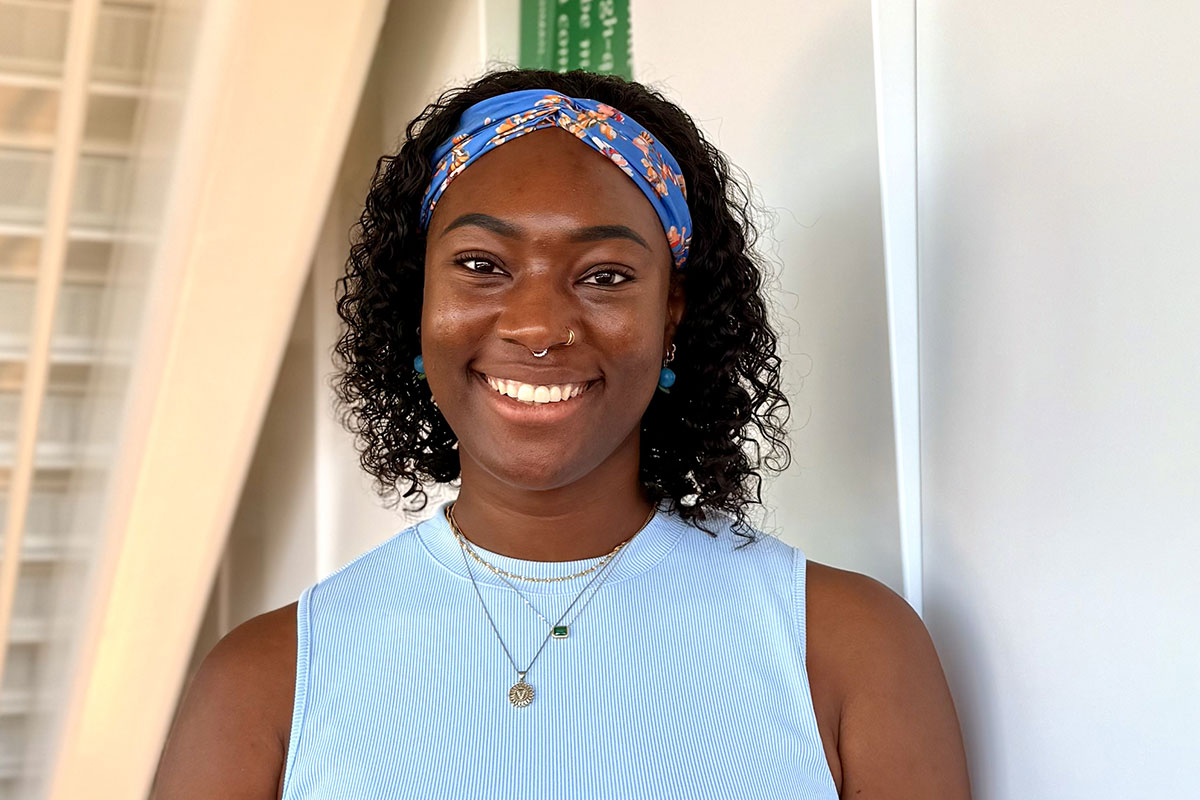

The faculty at Simmons is deeply invested in supporting students’ personal and professional growth.
- Vanessa Iroegbulem ’26MSW
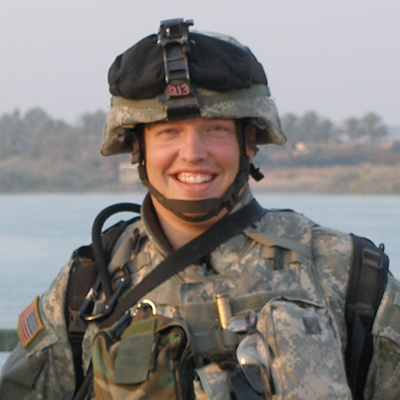
I’ve received a lot of great support from Simmons and the clinical sites, and I’ve been able to apply the skills I’ve learned in class in a clinical setting.
- Tim Norton ’26MSW
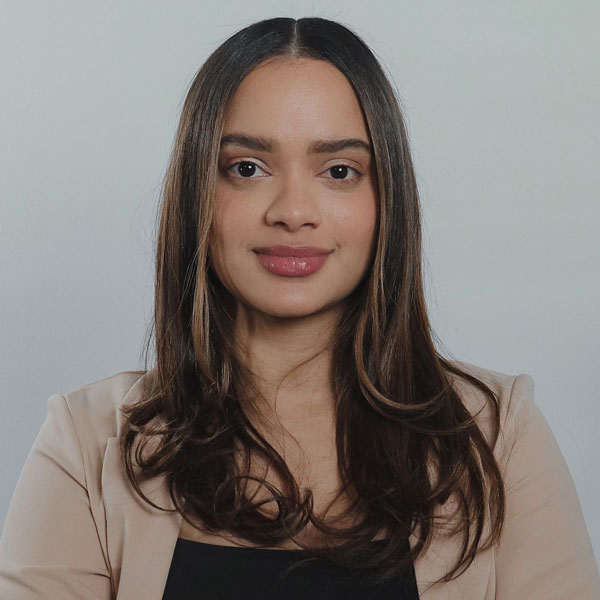
I’m a hands-on, visual learner, so I loved how much Simmons emphasized being in the field.
- Deyanira Gomera ’24MSW
Highlights of Simmons MSW
82%
Rank Clinical Training as Excellent
82% of students agree that the clinical training quality at Simmons is "excellent."
* results from the 2025 MSW student survey
80%
Feel that Faculty are Invested
80% of students report that faculty are invested in their success.
* results from the 2025 MSW student survey
85%
First-time pass rate on ASWB licensing exam
Simmons University consistently surpasses national averages for first-time pass rates on the licensing exam. In 2025, 85% of campus and online students passed the ASWB Master’s Level Licensing Exam, which is 12% higher than the national average.
125+
Years
For more than a century, Simmons has set the standard for clinical social work education and social justice advocacy.
5K+
Community Partners
Our extensive practicum network, with over 5,000+ partner agencies nationwide, provides exceptional placements in hospitals, schools, and community mental health settings — including the strong, successful partnerships we’ve built in Boston.
Degree Requirements (including Practicum Information), Optional Certifications, and Licensure
Work toward the Massachusetts state license for School Social Worker or School Adjustment Counselor, or choose to specialize and graduate with one of our leading-edge certificates.
The MSW degree requires 65 credit hours, consisting of 48 credit hours of classroom courses and 17 credit hours of practicum courses. Listed below is the MSW course sequence. On-ground course numbers have the prefix SW; online courses, SWO; and hybrid courses, SWH.
Generalist Year
| SW403 | Macro Social Work Practice | 3 |
| SW409 | Dynamics of Racism & Oppression | 3 |
| SW411 | Human Behavior and Social Environment | 3 |
| SW421A | Social Work Practice I | 3 |
| SW421B | Social Work Practice II | 3 |
| SW422 | Substance Use and Social Work | 3 |
| SW441 | Social Work Research | 3 |
| SW446A | Practicum Education Year I | 5 |
| SW446B | Practicum Education Year I | 4 |
| Generalist Elective |
MSW Students enrolled in the On-ground and Hybrid programs will complete SW 446A while students in the Online program will complete SWO 446X.
Specialized Year
| SW404 | Social Welfare Policy and Analysis | 3 |
| SW414 | Assessment and Diagnosis | 3 |
| SW424A | Advanced Clinical Practice | 3 |
| SW424B | Advanced Clinical Practice | 3 |
| SW447A | Practicum Education Year II | 4 |
| SW447B | Practicum Education Year II | 4 |
| SW509 | Evaluation in Social Work Practice | 3 |
| Elective | ||
| Elective | ||
| Elective |
MSW Students enrolled in the On-ground and Hybrid programs will complete SW 447A and SW 447B, while students in the Online program will complete SWO 447AX and SWO 447BX.
Licensure and Certificate Programs
As an MSW student, you may choose to pursue a certificate program in which you will gain advanced skills in a specific area of interest through a structured sequence of courses.
Elective Courses
MSW students who opt not to enroll in a certificate can still develop a focused skill set through their elective courses. Students interested in an area of focus can work with their Academic Advisors on elective selection. Examples of focus areas are:
- Health and Aging
- Child and Family Wellbeing
- Substance Use and Misuse
- Adult Mental Health
- Trauma and Interpersonal Violence
- Group Practice
- Clinical Practice and Therapy Models
Course Sequencing / Prerequisites
- Research, SW 441/SWO 441 must be completed prior to enrollment in Evaluation, SW 509/SWO 509.
- Program Evaluation, SW 509/SWO 509 must be taken concurrently with SW 447A or SW 447B/SWO 447AX or SWO 447BX.
- Dynamics of Racism and Oppression, SW 409/SWO 409 must be completed before commencing specialized year courses.
- SW 403/SWO 403 must be completed before SW 404/SWO 404.
- Practicum Education Year I, SW 446A or SWO 446X is concurrent with SW 421A or SWO 421A; SW 446B or SWO 446B is concurrent with SW 421B or SWO 421B.
- Practicum Education Year II, SW 447A or SWO 447AX is concurrent with SW 424A or SWO 424A; SW 447B or SWO 447BX is concurrent with SW 424B or SWO 424B.
- Students must stay in the same sections (day, time, and professor) for practice classes: SW 421A/SWO 421A and SW 421B/SWO 421B and SW 424A/SWO 424A and SW 424B/SWO 424B.
Practicum Placements
Students apply their academic knowledge through direct-practice internships with individuals, groups, families, agencies, and larger systems. Practicum helps students develop a strong foundation of social work practice skills prior to graduation. The final semesters of practicum placement focus on advanced clinical skills. Practicum placements occur on weekdays (Monday-Friday) during regular business hours.
On Ground MSW practicum options
- Full-Time Students: Internships are three days (24 hours) per week from September to May for both years of the MSW Program.
- Extended Program Students: Internships taken during the second and third years of the program are three days (24 hours) per week from September to May. Students can choose to do placements 16 hours per week for 11 months.
- Advanced Standing Students: Advanced standing students complete one 2 semester (Fall, Spring) practicum. Placements are 24 hours each week.
- 16-Month Students: Internships are in four consecutive semesters starting in the Spring Term. Each is 24 hours per week.
Online MSW practicum options
In the first term of practicum education students complete the Simulated Practicum Experience, a 14-week 3 credit course that constitutes the first term of the generalist placement. After successful completion of the course, students enter the three-term agency-based placement which comprises the final term of the generalist placement and both terms of the specialized placement. The core of the Simulated Practicum Experience is simulation training, an evidence-based teaching and learning pedagogy and an essential method for applying knowledge to practice. MSW program students are required to complete a minimum of 1104 hours of practicum in their agency-based placements. Regular attendance of three days a week (or 24 hours per week) in practicum is required of students during the three terms. Advanced Standing students attend 672 hours of practicum for two terms.
Students in each of the online options typically begin practicum work as follows:
- Extended (8 terms): 4th term
- Full-time (6 terms): 2nd term
- Accelerated (4 terms): 1st term
- Advanced Standing (3 terms): 2nd term
- Advanced Standing (2 terms): 1st term
Employment as Practicum (all enrollment options)
In certain situations, the School and Practicum Education Department may permit students to use a paid social work position to fulfill the practicum education requirement for one practicum. In the On Ground program this arrangement is generally made for the foundation placement but can also occur during the advanced placement if faculty deems the site appropriate. In the Online program this could possibly be approved as the 3 term placement. Students who wish to use their place of paid employment as a practicum must complete an employment-based Practicum placement application. Each application will be carefully reviewed and decided upon within the framework of Council on Social Work Education (CSWE) and school standards and expectations. To be approved, the agency and student must agree to adhere to the criteria for such placements, which are listed in the Practicum Education Manual.
If you’re unsure about choosing between clinical and policy work, Simmons University’s Certificate in Public Policy lets you combine clinical training with advanced public policy knowledge. This program prepares on-campus students to emerge as leaders in social work.
Along with your MSW courses, you’ll take three classes with public policy faculty to broaden your understanding of policy systems, theory, analysis, and key policy topics. These classes count toward the 65 credits needed for the MSW, so there’s no extra cost.
You’ll graduate with the skills to analyze and influence policies at the local, state, and national levels. This opens up many career paths in social work, especially in policymaking, advocacy, and administration.
Become a trauma-informed clinician who can support individuals and communities with understanding, compassion, and skill.
The Certificate in Trauma Practice prepares you to work in many settings, such as schools, community mental health centers, programs for immigrants and refugees, hospitals, correctional systems, and private therapy practices. You’ll work with children, adults, couples, families, and groups, giving you the flexibility needed in today’s clinical environments.
Along with your MSW courses, you’ll take classes like Child and Adolescent Trauma, Lifespan of Trauma Treatment: Adults and Families, and two electives focused on trauma. You’ll graduate ready to use evidence-based trauma treatment with people of all ages and in different care settings.
Simmons University’s Certificate in Healthcare prepares on-campus students to become the next generation of clinical social work leaders in health and healthcare.
Along with your MSW courses, you’ll take specialized classes in healthcare systems, culture, practices, and working with other professionals. You’ll get a personalized and integrated learning experience. These classes are part of the 65 credits needed for the MSW, so there’s no extra cost.
You’ll be ready to work in health services settings like community health centers, primary care practices, hospitals, behavioral health clinics, and other healthcare organizations. You’ll also be prepared to make a difference through direct clinical work, especially with underserved groups.
Simmons University’s Certificate in Mental Health Practice prepares online students to work with people who have serious mental health conditions, including those with other health challenges.
Along with your MSW courses, you’ll take specialized classes on being a clinician and advocate, and on working with teams, families, and other support systems. These classes count toward the 65 credits needed for the MSW, so there’s no extra cost.
Throughout the program, you’ll learn about how stigma, marginalization, and discrimination affect health, safety, access to resources, and quality of life. You’ll graduate with the skills to use evidence-based interventions to help clients manage symptoms, support wellness, and recover.
Build advanced clinical skills to serve active service members, veterans, and their families with respect and care.
The Certificate in Clinical Practice with Active Service Members, Veterans, and Families helps you better understand military culture, systems, and identity, as well as the unique experiences, strengths, and challenges experienced by military-connected people. You’ll also learn to work respectfully with minoritized communities in the military, building the cultural awareness needed for ethical and effective practice.
You’ll graduate ready to support individuals and families at any stage of military life, whether you work in healthcare, community agencies, schools, or clinical settings.
Spotlight on Social Work Students and Alums
Building a Career in School Social Work
Melanie Pina ’25MSW is a school social worker at a Boston Public School serving students in grades K0-6 in Dorchester, Massachusetts. From the minute she greets students off the bus in the morning, she says, “my day is about building rapport.”
Empowering Youth Through Clinical Social Work
Cassidy Martin ’25MSW is a clinical social worker for the R.O.O.T.S. program, an initiative of the Gardner Athol Area Mental Health Association (GAAMHA) that supports adolescents and young adults facing challenges related to mental health and substance use. She has a particular interest in working with kids who are neurodiverse or part of the LGBTQ+ community.
From Simmons MSW Student to Psychotherapist
Grace Lincoln ’25MSW is a psychotherapist at Collaborative Insight Counseling Associates (CICA), a mental health group practice in Boston. She works with both adolescents and adults who are seeking support for anxiety, depression, ADHD, and life transitions.

Making a Difference as a School Social Worker
Kyle Greenidge ’25MSW is a school social worker employed within Boston Public Schools. He provides individual therapy for students with a range of needs, including support for mental health challenges or assistance with academic goals and post-graduation planning.
Finding Her ‘Why’: One Simmons Student’s Path to Advocacy
Kayla Baillargeon ’25 ’28MSW used her personal experiences and passion for helping others to advance a career in parent advocacy. Now, by earning her online bachelor's degree and pursuing a master's at Simmons, she is gaining the skills and credentials needed to shape the growing field.
Researching Harm Reduction, Cultivating Compassionate Care
Vanessa Iroegbulem ’26MSW reflects on two of the impactful experiences during her time at Simmons: her clinical placements and her participation in the Harm Reduction Training (HaRT) Scholars Program.
Why Choose a Career in School Social Work?
Are you looking for a career helping students succeed not only in school, but in life? As a school social worker, you'll help students by removing their barriers to learning and ensuring they have access to the support they need to thrive.

A Holistic Approach to the Veteran Population
Tim Norton ’26MSW is completing his master of social work + clinical practice with active service members, veterans, and families certificate at Simmons. Norton shares how he brings his own experience as an Army officer and his training at Simmons to support this unique population.
Our Faculty
Experts in their profession and dedicated mentors in their classrooms, Simmons faculty are dedicated to teaching, mentoring, and guiding the next generation of social workers. The esteemed MSW faculty — many of whom are published authors, researchers, and practitioners across the country — includes:
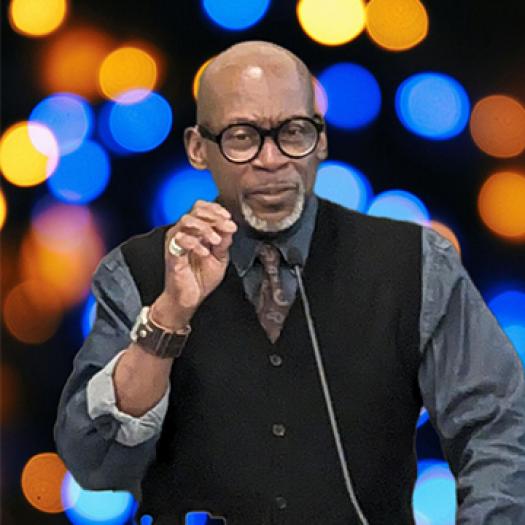
Gary Bailey
Professor of Practice and MSW Program Director
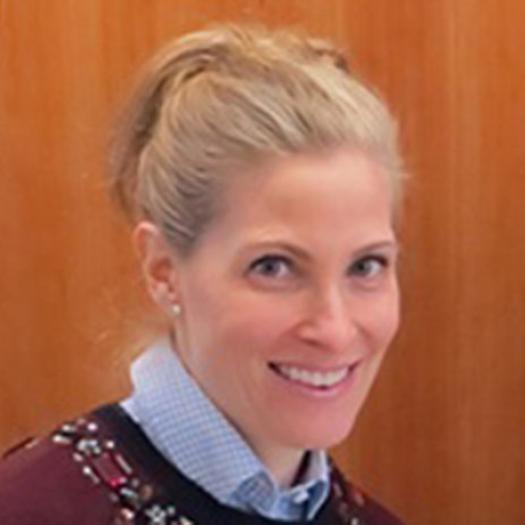
Joanna Almeida
Professor and Eva Whiting White Endowed Chair
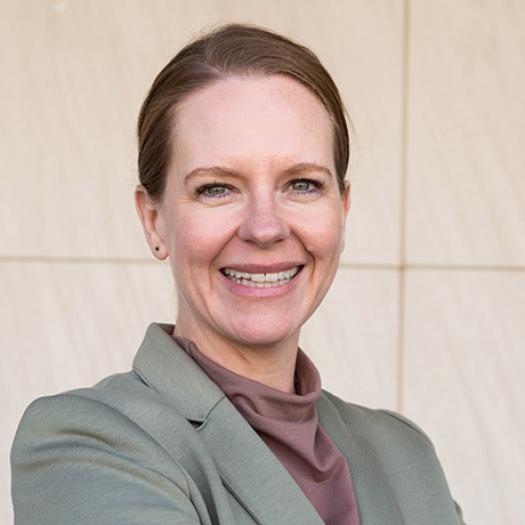
Kristie Thomas
Professor and Associate Dean for Academic Affairs
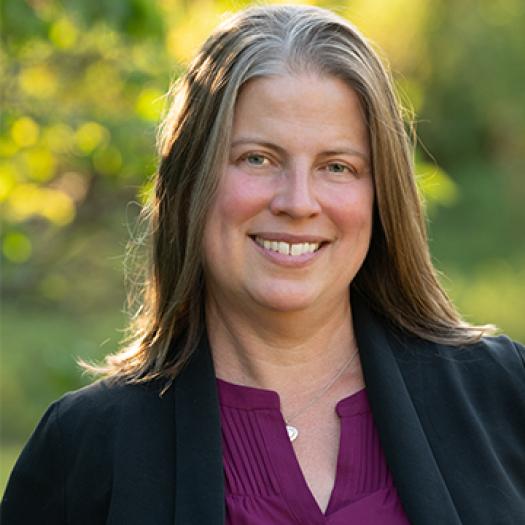
Noelle C. Dimitri
Assistant Professor
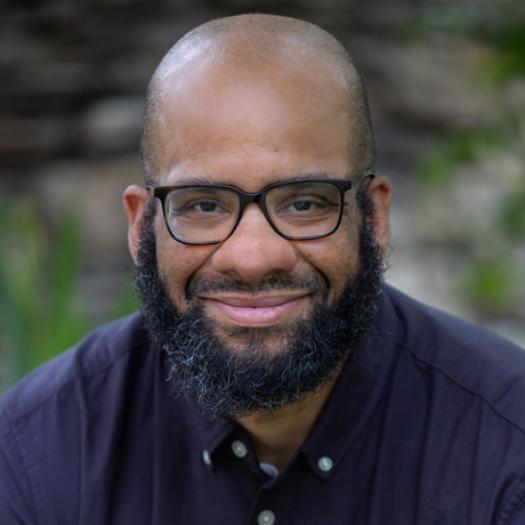
Daren Graves
Professor
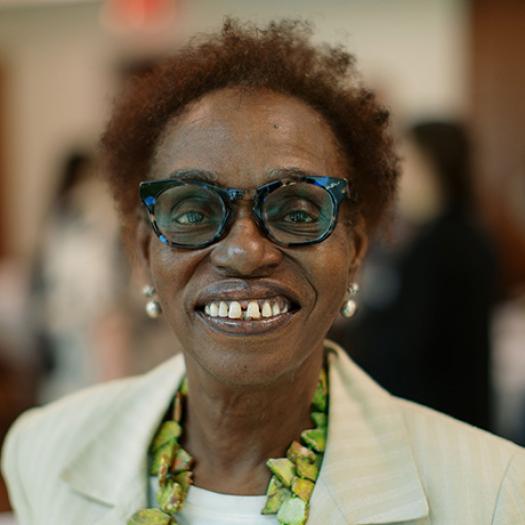
Johnnie Hamilton-Mason
Professor and Associate Dean for Faculty Development
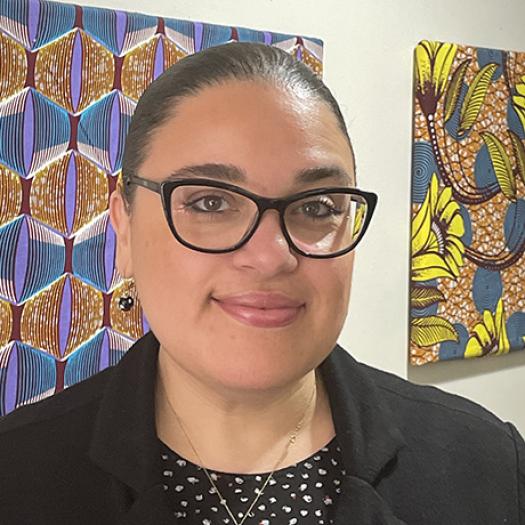
Eugenia Knight
Professor of Practice and Director of MSW Practicum Education
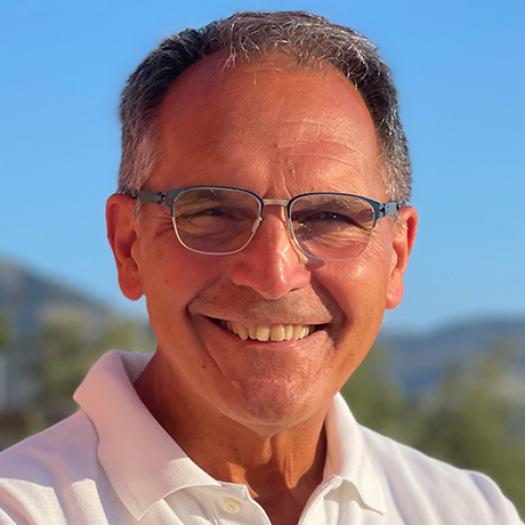
Peter Maramaldi
Professor and Social Work Alumni Fund Endowed Chair
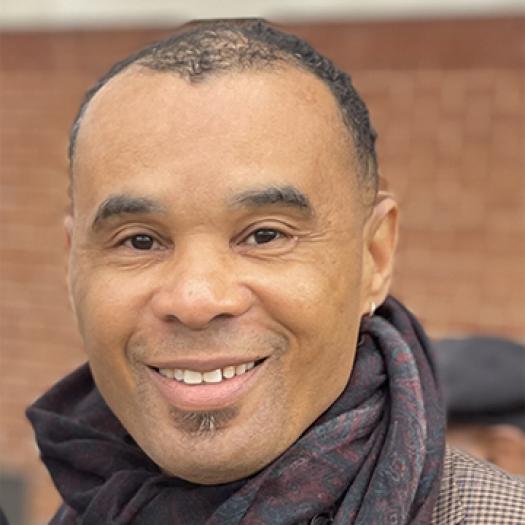
Samuel Odom
Professor of Practice
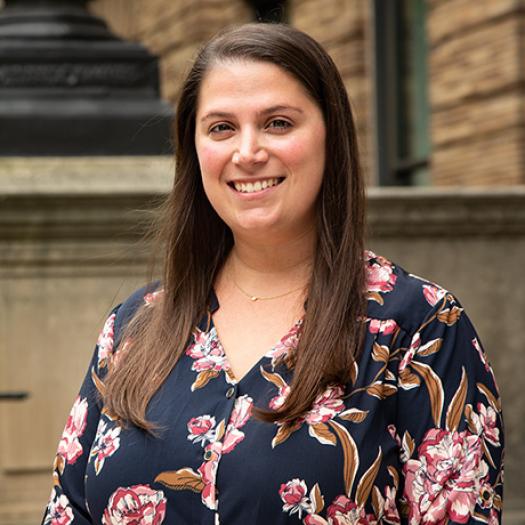
Christina M. Sellers
Associate Professor, Jennifer Eckert ‘08SW School of Social Work Endowed Chair, and Director of the Center for Innovation in Behavioral Health Education and Research
Leah Hart Tennen
Professor of Practice and Director of Student Support Services