
Library and Information Science (MS)

Earn a top-ranked degree from Simmons
As the volume of information grows and technologies for creating, storing, searching, and retrieving information advance, the role of information professionals becomes increasingly vital. Organizations across industries need skilled experts who can organize, manage, preserve, and provide access to knowledge in meaningful ways.
Simmons University’s Master of Science in Library and Information Science (MSLIS) program — accredited by the American Library Association — pairs top-ranked faculty with rigorous academics and real-world experience to prepare you for a career as an information professional.
Accolades for Simmons School of Library Science
Simmons MS LIS program is ranked #9 in the latest U.S. News & World Report rankings (2025) among peer master's LIS programs in the nation. Simmons also earned distinction across multiple specialties:
- #1 Archives Management
- #9 Services for Children and Youth programs
- #13 School Library Media programs
- #13 Digital Librarianship program
Offered online, in hybrid formats, or on our Boston and Western Massachusetts campuses, the program lets you specialize in areas such as Archives Management, Information Science and Technology, Libraries and Librarianship, School Library Teacher, or Cultural Heritage Informatics. Core courses are offered both in-person and online, with some electives offered online only.
What will you learn in the MS in Library and Information Science program?
Simmons’ MSLIS 36-credit program provides a foundation of disciplinary knowledge in library and information science. Throughout the MsLIS program, you thrive in classes taught by professors who bring real-world experience into their instruction. The curriculum combines foundational principles with emerging technologies and practices, preparing you to lead in a rapidly evolving field.
You will learn how to:
- Integrate theory with practice
- Analyze information needs to create solutions by applying a variety of tools and technologies
- Ensure the organization, accessibility, and management of library and information resources
- Create dynamic ways for a variety of users to interact with resources
You also may customize your degree program by working with your faculty advisor to select “key courses” through topical tracks.
What can you do with a Master's Degree in Library and Information Science?
From Harvard University libraries to Fortune 500 companies, Simmons graduates are working in the top libraries and workplaces around the country.
A master’s degree in LIS can lead to many exciting roles, depending on your career path:
- Public Libraries: Public Librarian, Adult/Children's Services Librarian, Reference/Public Services Librarian, Outreach & Marketing Librarian, Library Director
- Academic and Research Libraries: Subject/Collection Development Librarian, Information Literacy Librarian, Liaison Librarian, Scholarly Communication Librarian, Technical Services/Electronic Resources Librarian
- Specialized Librarianship: Law Librarian, Medical Librarian, School Librarian/Media Specialist
- Library Technology and Digital Services: Systems Librarian, Emerging Technologies Librarian, Digital Initiatives Librarian, Knowledge Manager
- Collections, Cataloging & Metadata: Cataloging and Acquisitions Librarian, Metadata Librarian, Preservation Librarian
- Archives and Cultural Heritage: Archivist (University, Processing, Reference, Outreach, Digital), Digital Curator, Digital Collections Manager, Preservationist
- Information and Content Management: Data Assets Manager, Information Architect, Web Content Manager, Database Specialist, UX/Interaction Designer, Information Behavior Researcher, Social Media Manager
- Information Technology: Systems Analyst, Requirements Analyst, Web Developer, IT Support Specialist, IT Manager
Program Requirements & Student Resources
Students in the MS (LIS) degree program must complete 36 credits of graduate coursework to be qualified to earn the MS (LIS) degree.
MS (LIS) students must maintain a cumulative Grade Point Average (GPA) of 3.0 to continue in the program.
Students in the School Library Teacher (SLT) concentration must receive a “B” (3.0) or better in every course. Any course in which the student has received a grade lower than a B must be repeated before the candidate may enroll in a practicum or be recommended for licensure. See “Degree Progress and Academic Sanctions” for further information.
Concentrations and Specializations
LIS students may choose to focus their studies by following a degree concentration curriculum designed to prepare students to work in a variety of information institutions with a diversity of materials and tools. Students who choose to concentrate their studies must complete the LIS core courses required of all MS students as well as a sequence of courses required to earn the degree concentration.
Program Requirements
MS (LIS) students are required to complete three courses equaling nine (9) credits of core coursework in library and information science.
| LIS407 | Information Service, Behaviors & Ethics | 3 |
| LIS415 | Information Organization | 3 |
| LIS488 | Technology for Information Professionals | 3 |
| or, if a student is in the School Library Teacher Program (SLTP) | ||
| LIS460 | Technology and the School Library Teacher | 3 |
These core courses must be completed within a student’s first eighteen (18) hours of coursework. SLT students must complete LIS 407 and LIS 415 within their first eighteen (18) hours of coursework and may complete LIS 460 any time during the course of their degree program.
The School has initiated a program to provide a common base of knowledge of the technologies and tools students will encounter during the course of their studies, as well as resources available to them as a Simmons LIS student. All students entering the program are required to register for the 0-credit LIS 400 – Virtual Orientation, which introduces students to the full range of academic, administrative, and social expectations for students, and the environment in which they must meet those expectations. Intended for both online and on campus students, this course describes program requirements; university, school, and program policy; and offers information about the full range of resources available to the students in support of their programs. It also offers basic tutorial and instruction related to the use of Moodle (the learning management system used in online and on campus courses), library resources, and other key tools used to support student learning.
LIS students may choose to focus their studies by following a degree concentration curriculum designed to prepare students to work in a variety of information institutions with a diversity of materials and tools. Students who choose to concentrate their studies must complete the LIS core courses required of all MS students as well as a sequence of courses required to earn the degree concentration.
Archives Management Concentration Course Requirements
LIS core courses (9 credits):
| LIS407 | Information Service, Behaviors & Ethics | 3 |
| LIS415 | Information Organization | 3 |
| LIS488 | Technology for Information Professionals | 3 |
Take the following (9 credits):
| LIS438 | Introduction to Archival Theory and Practice | 3 |
| LIS440 | Archival Access and Use | 3 |
| LIS442 | Establishing Archives and Manuscript Programs | 3 |
One of the following (3 credits):
| LIS433 | Oral History | 3 |
| LIS441 | Appraisal of Archives and Manuscripts | 3 |
| LIS443 | Archives, History, and Collective Memory | 3 |
| LIS456 | Records Management | 3 |
| LIS471 | Photographic Archives and Visual Information | 3 |
| LIS472 | Moving Image Archives | 3 |
| LIS476 | Outreach and Advocacy for Cultural Heritage | 3 |
| LIS506 | Government Archives | 3 |
One of the following (3 credits):
| LIS439 | Preservation Management | 3 |
| LIS444 | Digital Preservation | 3 |
| LIS448 | Digital Stewardship | 3 |
Four elective courses (12 credits)
Cultural Heritage Informatics Concentration Course Requirements
LIS core courses (9 credits):
| LIS407 | Information Service, Behaviors & Ethics | 3 |
| LIS415 | Information Organization | 3 |
| LIS488 | Technology for Information Professionals | 3 |
Take the following (12 credits):
| LIS432 | Concepts Cult Heritage Informatics | 3 |
| LIS438 | Introduction to Archival Theory and Practice | 3 |
| LIS477 | Digital Asset Management | 3 |
| LIS507 | Museum Studies | 3 |
One of the following (3 credits):
| LIS439 | Preservation Management | 3 |
| LIS444 | Digital Preservation | 3 |
| LIS448 | Digital Stewardship | 3 |
Four elective courses (12 credits)
Self-Directed Concentration Course Requirements
LIS core courses (9 credits):
| LIS407 | Information Service, Behaviors & Ethics | 3 |
| LIS415 | Information Organization | 3 |
| LIS488 | Technology for Information Professionals | 3 |
Nine elective courses (27 credits)
Information Science and Technology Concentration Course Requirements
LIS core courses (9 credits):
| LIS407 | Information Service, Behaviors & Ethics | 3 |
| LIS415 | Information Organization | 3 |
| LIS488 | Technology for Information Professionals | 3 |
Take the following (9 credits):
| LIS458 | Database Management | 3 |
| LIS484 | Theories of Information Science | 3 |
| LIS485 | Introduction to Programming | 3 |
Any two from the complete list below (6 credits):
| Systems Oriented | ||
| LIS467 | Web Development and Information Architecture | 3 |
| LIS486 | Systems Analysis in Information Science | 3 |
| LIS487 | Data Interoperability | 3 |
| User Oriented | ||
| LIS421 | Social Informatics | 3 |
| LIS455 | Usability and User Experience Research | 3 |
| LIS462 | Digitization Project Planning and Management | 3 |
| LIS465 | Knowledge Management | 3 |
| LIS475 | Organizational/Information Ethics | 3 |
| LIS500 | Independent Study | 3 |
Four elective courses (12 credits)
Libraries and Librarianship Concentration Course Requirements
LIS core courses (9 credits):
| LIS407 | Information Service, Behaviors & Ethics | 3 |
| LIS415 | Information Organization | 3 |
| LIS488 | Technology for Information Professionals | 3 |
Take the following (9 credits):
| LIS404 | Principles of Management | 3 |
| LIS408 | User Instruction & Information Literacy | 3 |
| LIS453 | Collections Development and Management | 3 |
One of the following (3 credits):
| LIS414 | Special Libraries | 3 |
| LIS450 | Public Libraries | 3 |
| LIS451 | Academic Libraries | 3 |
Five elective courses (15 credits)
School Library Teacher Concentration Course Requirements
LIS core courses (6 credits):
| LIS407 | Information Service, Behaviors & Ethics | 3 |
| LIS415 | Information Organization | 3 |
Take the following (24 credits)
| LIS406 | Management and Evaluation of School Library Programs | 3 |
| LIS459 | Fundamentals of School Librarianship | 3 |
| LIS460 | Technology and the School Library Teacher | 3 |
| LIS461 | Curriculum and Instructional Strategies for the School Library Teacher | 3 |
| LIS481 | Library Collections and Materials for Children | 3 |
| LIS483 | Library Collections and Materials for Young Adults | 3 |
| LIS498 | Practicum (PreK-8) | 3 |
| LIS499 | Practicum (7-12) | 3 |
Two elective courses (6 credits)
| Fall (September) | Spring (January) | |
|---|---|---|
| Library and Information Science (MS) | Priority: February 1 Regular: March 15 Rolling admission: After March 15 | Priority: October 1 Regular: December 15 Rolling admission: After December 15 |
You may apply for merit scholarships, endowments, and external scholarships from professional organizations. Additionally, tuition discount programs are offered for SLIS Alumnae/i and Double Shark Students.
Learn more about Scholarships for Graduate Students
Scholarships and tuition discounts for students pursuing an MSLIS degree
- Endowed Scholarship
- Program-Specific
Endowed Scholarships for SLIS Students
The School of Library and Information Science offers a number of endowed scholarships each year.
- Assistantship
- Program-Specific
SLIS Graduate Student Research Assistantship
Each year, SLIS offers a number of paid assistantship positions that allow MSLIS students to gain valuable research experience. Graduate Student Research Assistants benefit from significantly reduced tuition through a scholarship amounting to coverage of two-thirds of the MSLIS tuition, and generate an income through the wages they earn in their paid assistantship position.
- Fellowship
- Program-Specific
SLIS Graduate Student Fellowship
Each year, SLIS offers a number of fellowship positions that allow MSLIS students to gain valuable research and/or experiential learning. Graduate Fellows benefit from significantly reduced tuition as a result of either a generous scholarship or tuition remission. Graduate Student Fellows also generate an income through the wages or stipend they earn in their paid fellowship positions.
- Partner Org Discount
- Program-Specific
ALA Spectrum Scholarship Match
The School of Library and Information Science will match the $5000 ALA Spectrum Scholarship to incoming graduate students.
- Partner Org Discount
- Program-Specific
Central and Western Massachusetts Public and Academic Libraries Employee Discount
In recognition of our SLIS West neighbors, employees of public and academic libraries in Berkshire, Hampshire, Hampden, Franklin, or Worcester counties beginning a degree-seeking program in the School of Library and Information Science will receive a minimum scholarship of 20% tuition in recognition of our partnership.
- Partner Org Discount
- Program-Specific
Greenfield Community College Employee Discount
Greenfield Community College is the proud host of our SLIS West campus. GCC employees beginning a degree-seeking program in the School of Library and Information Science will receive a minimum scholarship of 20% tuition in recognition of our partnership.
- Partner Org Discount
- Program-Specific
Boston Public Library Employee Discount
BPL employees beginning a degree-seeking program in the School of Library and Information Science or the Gwen Ifill School of Media and Social Sciences will receive a minimum scholarship of 20% tuition in recognition of our partnership. No additional application is required.
- Program-Specific
- External
External Grants and Scholarships for Library and Information Science
There are a number of external sources of funding for graduate students pursuing Library and Information Science. Simmons does not play a role in the awarding of any of these awards.
- LISSA (Library and Information Science Student Association): The central student body for all SLIS students; it coordinates social events, professional mixers, and guest speakers.
- LISSA West: LISSA West is the student organization’s branch at the Greenfield campus.
- ALA Student Chapter (American Library Association): Provides networking and professional growth for future librarians.
- SAA Student Chapter (Society of American Archivists): For students focusing on archives and preservation.
- SoCS (Students of Color at SLIS): Provides a vital support network and advocacy space for graduate students of color.
- Panopticon: For students interested in art, cultural heritage, and visual resources in libraries and museums.
- Student Chapter of the Association for Information Science & Technology: For students interested in new and improved theories, techniques, and technologies to improve access to information.
- PLG (Progressive Librarians Guild): Provides a forum for critical perspectives in library and information science.
- AMIA (Association of Moving Image Archivists): For students interested in the preservation, archiving, and restoration of audiovisual materials.
- SCIRRT (Student Chapter of the International Relations Roundtable): For students who wish to engage in a variety of globally-focused initiatives.
- SPECTRA: An LGBTQ+ affinity group.
- SLASC (Special Libraries Association Student Chapter): Provides students with networking, leadership, and professional opportunities in specialized fields like corporate, medical, legal, and museum libraries.
Our current statistics show that SLIS students have a high rate of employment upon graduation.
ALA Accreditation
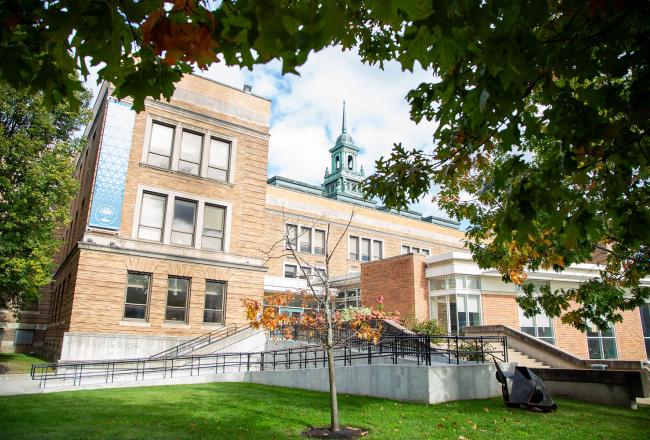
ALA Accredited: The Simmons School of Library and Information Science has met the ALA Accreditation Standards, an important accreditation because an ALA-accredited master's degree is essential to obtain most professional positions in the LIS field, and is required by many states for public and school librarians.
Spotlight on Library and Information Science Students and Alums
SLIS Alumna Views Librarians as ‘Informal’ Educators
Sarah Leveille ’26MS is the reference librarian for the Grafton Public Library in Grafton, Massachusetts. We spoke with her about the essential education she received from Simmons SLIS, the LibGuides she created, and the joys of librarianship.

SLIS Alums Elected to NELA Executive Board
Kate Byroade ’98MS and Meghan Cericola ’20MS have been elected to serve as officers on the Executive Board of the New England Library Association (NELA).

SLIS Students Balance Parenting with Graduate Studies
Master of Library and Information Science online students Carey Zigouras ’28MS and Whitney Pillow ’26MS share their experiences of undertaking a masters degree while parenting young children.

SLIS Alumna Awardee Reflects on People-Centered Libraries
Tam Ha ’08MS, recipient of the 2026 Alumnae/i Lifetime Achievement Award, is the academic librarian for VinUniversity (Hanoi, Vietnam). We spoke with her about the pivotal mentorship she received at Simmons and the rewards of a career in librarianship.
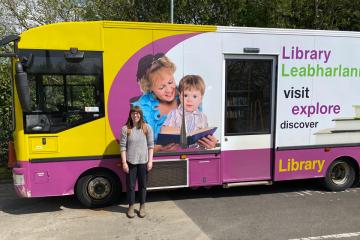
Researching Ireland’s Cross-Border Mobile Library Service
While at Simmons, Danielle Dempsey ’24MS began an international librarianship research project on libraries in Ireland. Dempsey shared with us the experience of visiting Ireland and speaking to locals about the area’s fraught history.
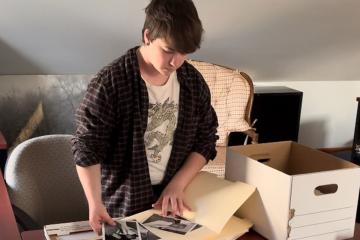
Building Community Archives
Graduate student Ashten Vassar-Cain ’27MS brings a human rights approach to library and information science. We spoke with him about community archives, centering survivors, and the immersive training at Simmons.

Sharing the Untold Stories at Queer History Boston
Mik Hamilton '24MS ‘24MA is the archivist at Queer History Boston, a community archive dedicated to collecting, preserving, and sharing the rich LGBTQ+ histories of Boston and New England. Hamilton shares how the dual degree in LIS: archives management and history at Simmons prepared them for a dream job just before graduation.

SLIS Alumnae/i Named Movers & Shakers
Jessica Chapel ’19MS and Katelyn Duncan ’16MS were selected for the 2026 Movers & Shakers by Library Journal.
Our Faculty

Naresh Agarwal
Professor, Director of Information Science & Tech Concentration, and Interim Associate Dean of SLIS

Peter Botticelli
Associate Professor and Director, Cultural Heritage Informatics Concentration
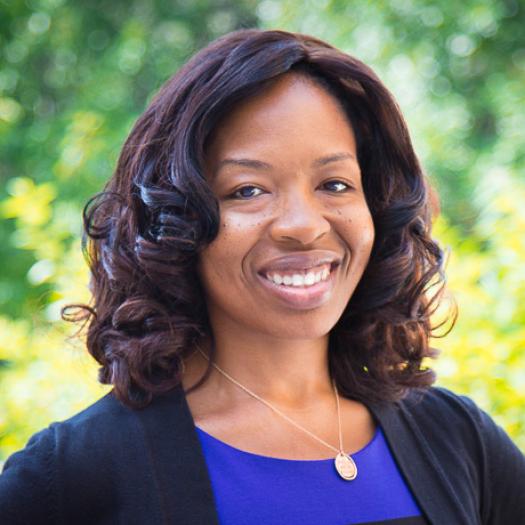
Rebecca Stallworth
Associate Professor
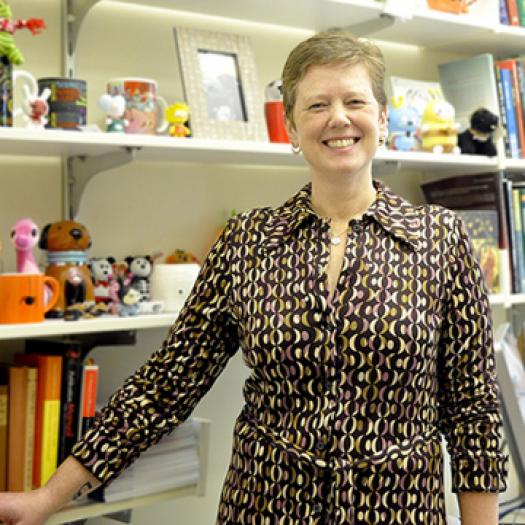
Lisa Hussey
Professor, Director of Self-directed Concentration, and Interim Associate Dean of SLIS

Daniel Joudrey
Professor and Director of Libraries and Librarianship Concentration
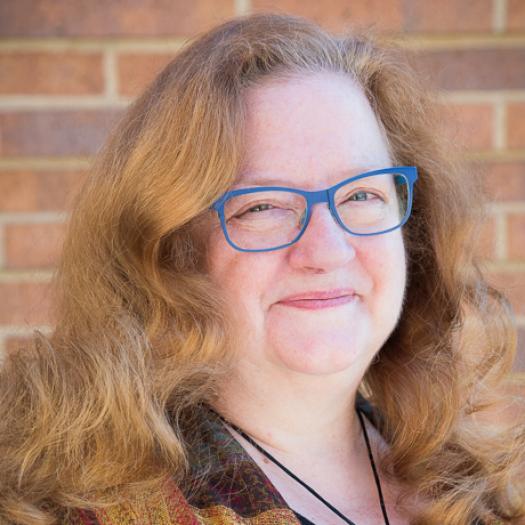
Melanie Kimball
Associate Professor and Director, School Library Teacher Concentration

Kyong Eun Oh
Professor and Director of the PhD Program

Amy Pattee
Professor and Co-director of the MS LIS/MA Children’s Literature program

Eric Poulin
Associate Professor of Practice and SLIS West Director
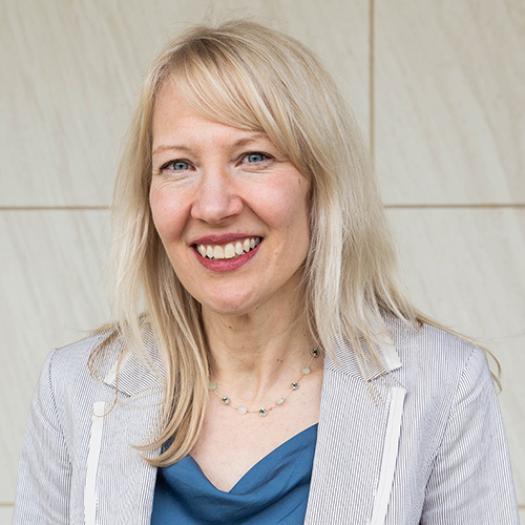
Laura Saunders
Professor
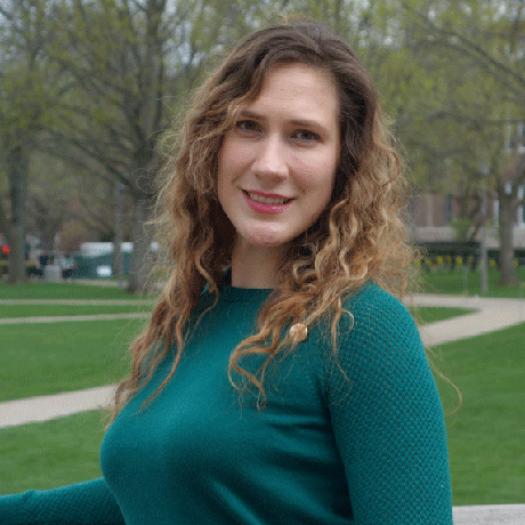
Rhiannon Bettivia
Associate Professor
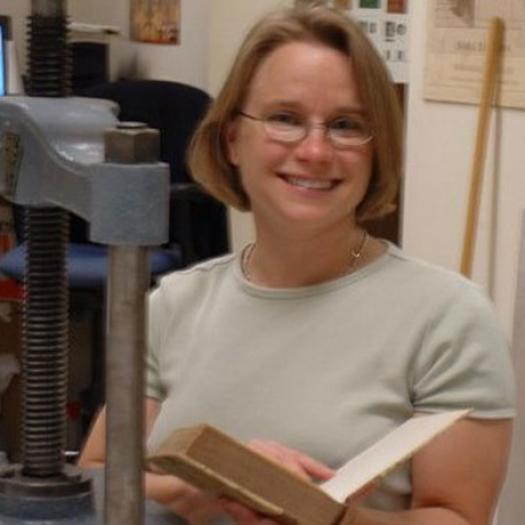
Donia Conn
Associate Professor of Practice

Heather Hole
Professor, disciplines of Museum Studies and Art History
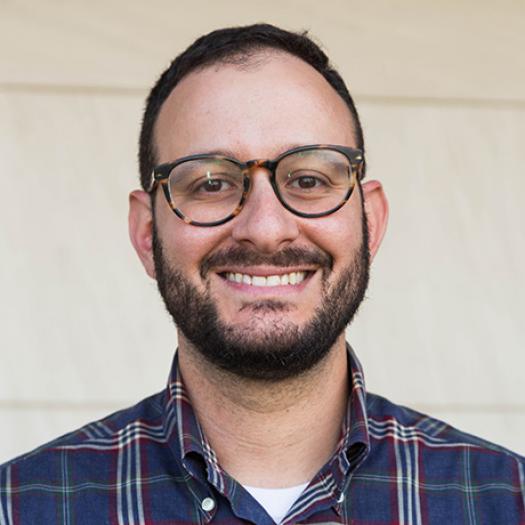
Adam Kriesberg
Associate Professor and Co-Director of Dual Degree MS LIS-Archives and MA History Program

Arianna Lechan
Assistant Professor of Practice and Manager of School Library Teacher Field Experiences

Mollie Metevier
Assistant Professor of Practice and Manager of Field Experience
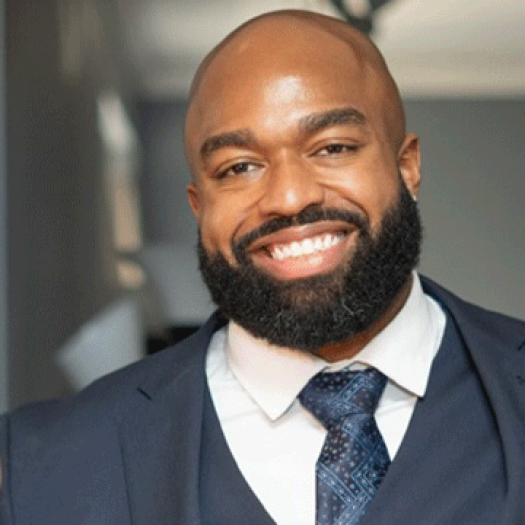
Don Simmons
Assistant Professor
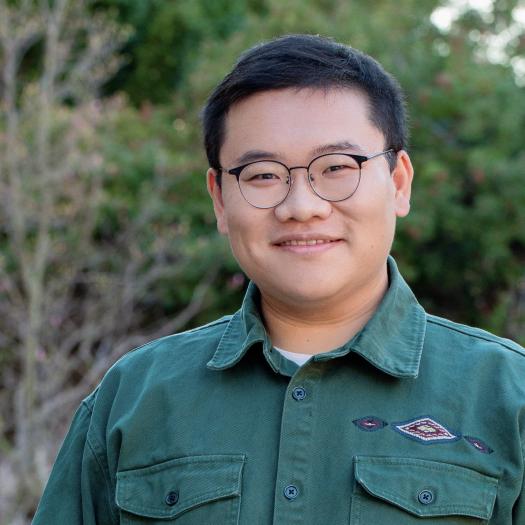
Jiarui Sun
Assistant Professor

Shengang Wang
Assistant Professor

Katherine Wisser
Associate Professor and Masters Program Director, Director of the Archives Concentration, and Director of Archives Certificate Program
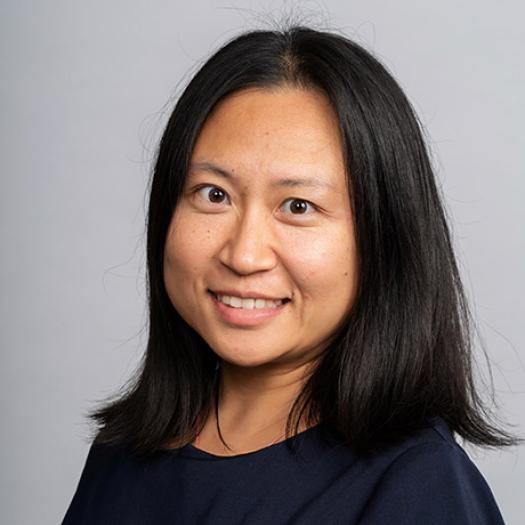
Mei Zhang
Assistant Professor